
Lambing and calving should be the highlight of the year — the payoff for months of careful breeding and management. Instead, for too many producers, it's a season defined by sleepless nights, sick ewes and cows, dead lambs and calves, and a nagging sense that it's harder than it needs to be. The good news is that most of this pain is avoidable. It comes down to what's happening inside the Dam in the final weeks before she gives birth — and getting that right is simpler than most producers think.
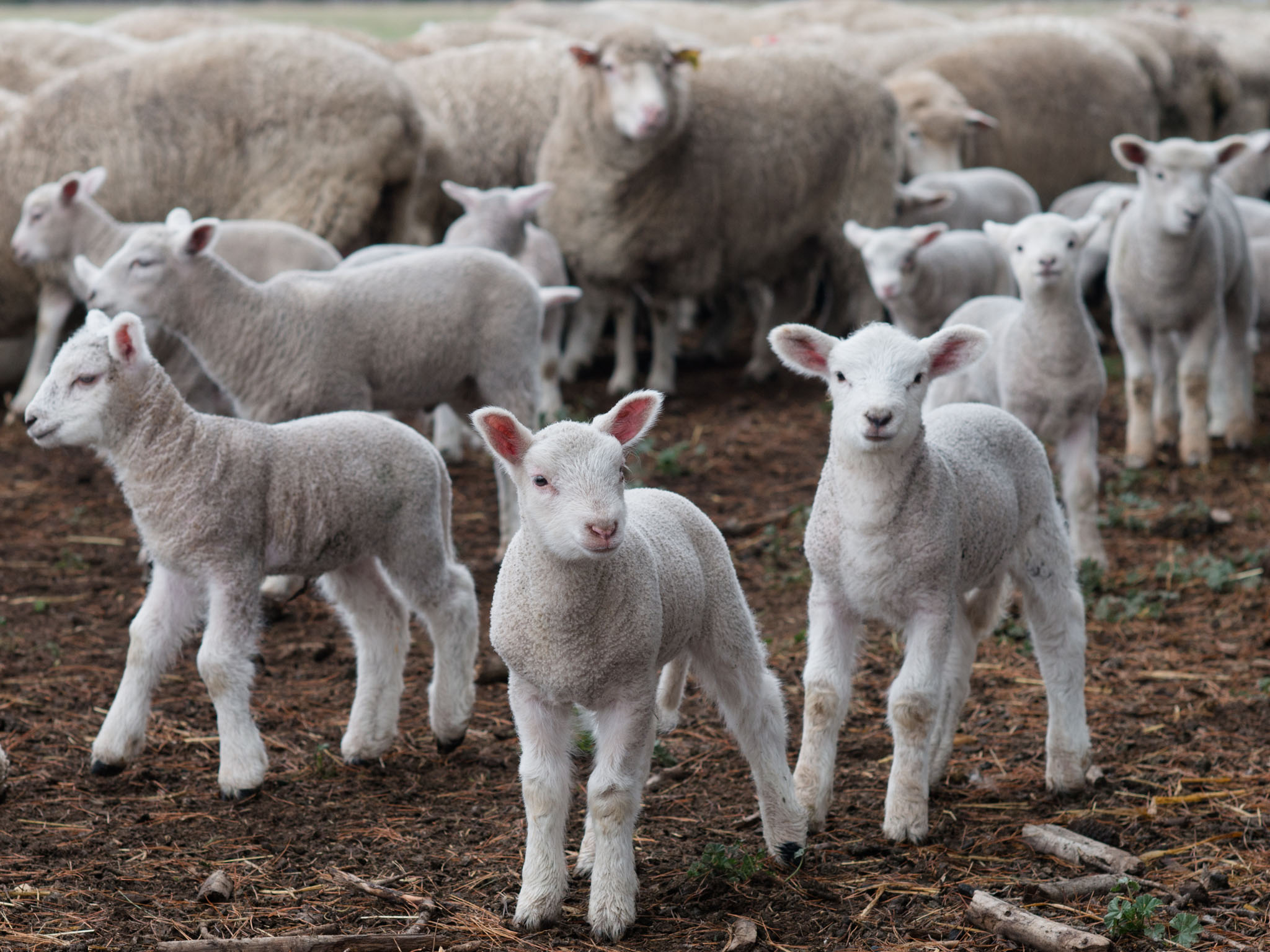
Why So Many Dams Struggle at the Point of Birth
Every ewe and cow experiences metabolic stress as she approaches parturition. For some, that stress becomes severe enough to trigger clinical disease — energy deficiency shows up as pregnancy toxaemia (preg tox), while calcium deficiency shows up as milk fever (hypocalcaemia). But clinical cases are only the tip of the iceberg. Far more animals suffer subclinical deficiencies that never produce obvious symptoms, yet still quietly erode performance across the whole herd or flock.
That's because calcium isn't just a mineral — it's essential for muscle and nerve function. When blood calcium drops, so does the strength and coordination of two critical muscle groups: the rumen and the uterus. A sluggish rumen means poorer feed conversion, reduced energy availability, and a higher risk of ketosis. A weakened uterus means longer, harder births, more assisted deliveries, and more stress on both Dam and newborn.
The knock-on effects are significant. Around 80% of all lamb deaths happen in the first 48 hours of life, and roughly 65% of those are linked to slow or difficult births. A stressed, exhausted newborn is also far less likely to get up quickly and take in enough colostrum in time — and that first drink is what determines its odds of survival and early growth. In short: a Dam that can't harness her muscle strength at the moment of birth puts her offspring's whole future at risk before it's even begun.
Great Management Starts 14–21 Days Out
Here's the part many producers get wrong: some of the most common "traditional" pre-calving and pre-lambing practices actually work against the animal, not for her. Feeding lush green pasture, or supplementing with lick blocks loaded with limestone, salt and urea, pushes the diet toward alkaline — which shuts down the Dam's natural ability to pull calcium from her own skeletal reserves right when she needs it most.
Great management flips this around. In the last two to three weeks before calving or lambing, the goal is to help the Dam mobilise calcium from her bones efficiently. That means cutting back on high-calcium, high-potassium feed and supplements, introducing lower-quality, higher-fibre options like grass or cereal hay, and lifting magnesium and Vitamin D availability while nudging the diet toward a more acidic balance. Done well, this simple shift primes the Dam's whole system — sharper nerve signalling, stronger rumen function, and a uterus ready to do its job efficiently when the time comes.
Why the Right Product Makes All the Difference
Knowing the theory is one thing — getting the nutrition right in practice, at scale, across a whole mob or herd, is another. This is where a purpose-built lead-up supplement earns its keep. The best pre-calving and pre-lambing products combine the right anionic mineral balance — magnesium, Vitamin D and trace elements like copper, cobalt, iodine, manganese, zinc and selenium — in a form animals will reliably eat in the run-up to birth.
Producers who've made this switch aren't seeing marginal gains — they're seeing standout results. Tom Patterson from Katanning, WA, trialled AIM ProgenX Lead Up Lick across 345 crossbred ewes against an untreated control group and recorded 15% more lambs than the untreated mob. Josh Walter of Inverleigh, Victoria, reported a 10% lift in lamb survival, a significant boost in ewe milk production, noticeably healthier lambs with better "get up and go" at birth, and lambs 3–4kg heavier at marking.
Those aren't isolated wins — they're the direct, predictable result of giving Dams what their bodies need to do the two hardest jobs they'll do all year: give birth efficiently and produce enough quality colostrum and milk to get their offspring off to a flying start.
The Bottom Line
Lambing and calving don't have to be a battle. When Dams enter the birth process with well-supported calcium and energy metabolism, everything downstream improves — faster, easier births, stronger mothering instinct, better colostrum and milk supply, and higher survival and growth rates in progeny. Combine smart feeding decisions in the final weeks with a proven lead-up product like AIM ProgenX Lead Up Lick, and you're not just getting through lambing or calving season — you're setting up your whole flock or herd for a more productive, more profitable year ahead.
Subscribe to the
AIM Newsletter
Including videos and stories from producers all around the country, our newsletter is the best way to stay up-to-date with all of the AIM Central news.
By subscribing to our newsletter, you agree to the terms in our Privacy Policy.
Tell us your production goals and we’ll help you get there
This is no idle boast. It’s what we’ve been helping producers, just like you, achieve for over 20 years. What’s more, it’s not just about meeting the bottom line. There’s an improved quality of life to be enjoyed along the way – for both you and your livestock.
