
Green, fast-growing feeds look like a gift — but for grazing livestock, they can be a trap. Beneath the lush surface sits a cocktail of nutrient imbalances that quietly undermine gut health, blood oxygen levels, rumen function and reproduction. Here's what's really going on.
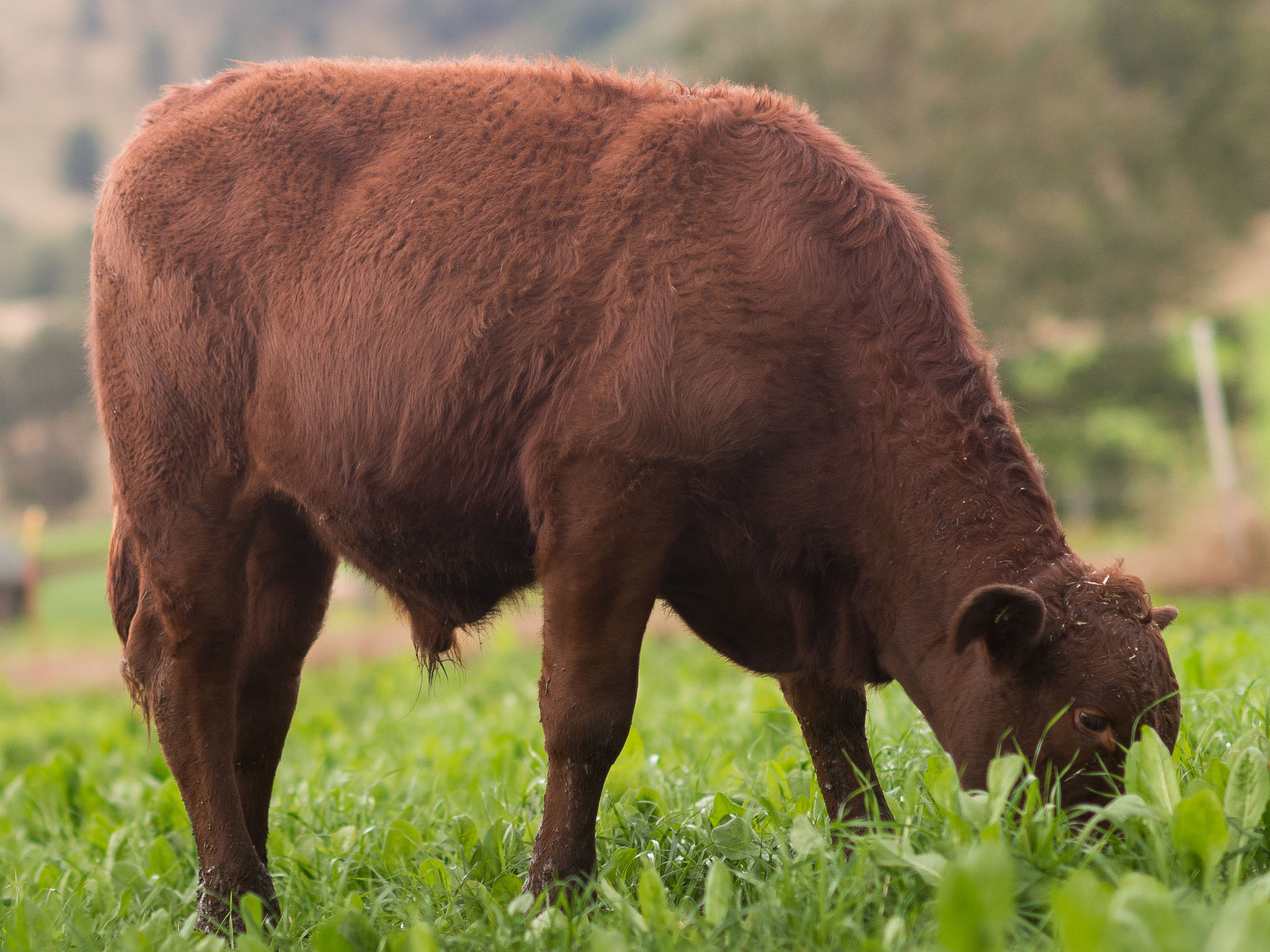
A Damaged Gut Can Cripple Health
Lush feeds are often badly deficient in the nutrients needed for healthy rumen fermentation, while being extremely high in Non-Protein Nitrogen (NPN). That combination lets Ammonia, Nitrates/Nitrites and Lactic Acid build up in the rumen to damaging levels — eroding the gut lining, reducing the blood's oxygen-carrying capacity, destroying sensitive blood vessels and impairing liver function. The result is scours, higher stress and energy demand, slower growth, weaker immunity, and — thanks to vessel damage in the hoof — a much greater risk of lameness.
Nitrates: Choking Your Animals and Your Profits
Green feed is a rich source of Nitrates, broken down in the rumen into Ammonia and Nitrite — the real toxin. Once in the bloodstream, Nitrite converts haemoglobin into Methaemoglobin, which can't carry oxygen. Push this far enough and animals scour, struggle to breathe, lose coordination, and can collapse and die. It's oxygen starvation from the inside out.
Unhappy Rumen Bugs Mean an Unhappy Life
Feeds loaded with NPN and Nitrates are typically short on the simple carbohydrates that healthy rumen microbes need to thrive. Without them, animals can't efficiently use the energy and protein already in their feed. That's wasted feed, limited growth, more Nitrate pollution, and higher greenhouse gas emissions per unit of meat, milk or wool produced — a lose-lose for the animal, the enterprise and the environment.
Low Magnesium Can Blow Your Chances
Low sugar levels in green feed also cut Magnesium absorption — compounded by Magnesium-blocking compounds and poor Calcium balance. This weakens contractions in two critical muscles: the rumen, raising Bloat risk by limiting gas expulsion, and the uterus, increasing calving and lambing difficulties. Left unchecked, severe Magnesium deficiency can progress to Grass Tetany — a condition affecting the brain and nervous system, with symptoms ranging from trembling and muscle spasms to convulsions and sudden death. Even mild, subclinical deficiency quietly reduces appetite, heart function and milk yield well before it becomes visible.
The Takeaway
Lush pasture isn't the free lunch it appears to be. Recognising these risks — and managing nutrition proactively around them — is essential to protecting animal health, welfare and productivity.
Fortunately, closing the nutrient gap doesn't have to be complicated. Grazemax Xtreme (CS) LK and Grazemax Ultra (CS) LK are purpose-built powder loose licks designed for Cattle and Sheep grazing green, fast-growing pasture or fodder crops, where Calcium, Magnesium, Phosphorus, Sulphur and key trace elements can be in short supply. Both are Magnesium-rich, contain Moisture Resistance Technologies to stay effective even in wet conditions, and are delivered ad lib via containers for easy, low-cost management.
- Grazemax Xtreme is the higher-Magnesium option (24.95% Mg), suited to environments where production challenge is especially high and Grass Tetany or Milk Fever risk needs stronger targeting.
- Grazemax Ultra offers a broader, more concentrated mineral balance — including higher Calcium, Phosphorus and Sulphur — as a low-dose option addressing Bloat, scours and Staggers risk.
Speak to an Accredited A.I.M. Advisor to work out which option best fits your paddock conditions this season.
Subscribe to the
AIM Newsletter
Including videos and stories from producers all around the country, our newsletter is the best way to stay up-to-date with all of the AIM Central news.
By subscribing to our newsletter, you agree to the terms in our Privacy Policy.
Tell us your production goals and we’ll help you get there
This is no idle boast. It’s what we’ve been helping producers, just like you, achieve for over 20 years. What’s more, it’s not just about meeting the bottom line. There’s an improved quality of life to be enjoyed along the way – for both you and your livestock.
